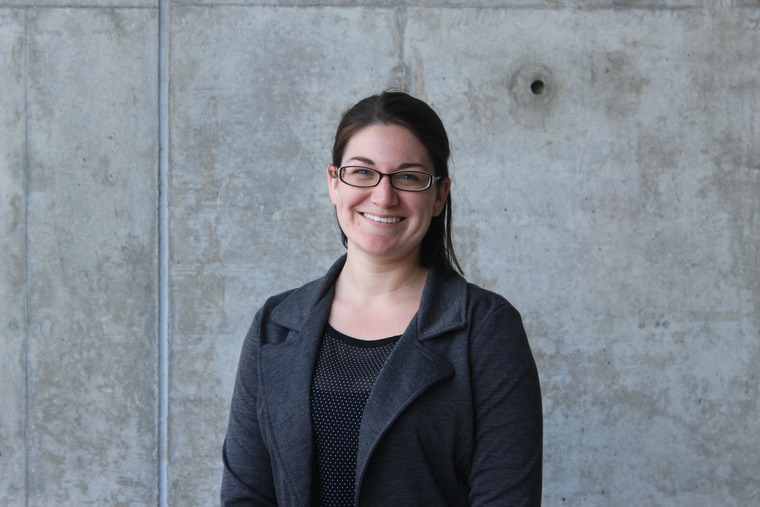
Muneeb Ahmed

Muneeb Ahmed

Undergraduate Research Interns
Image
Muneeb Ahmed
Year
2017

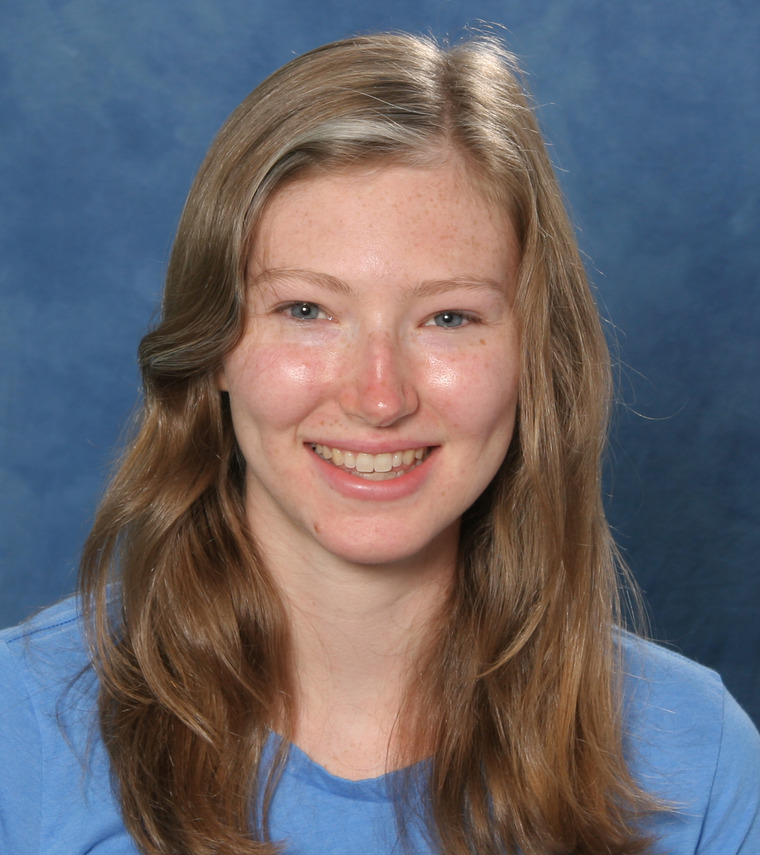
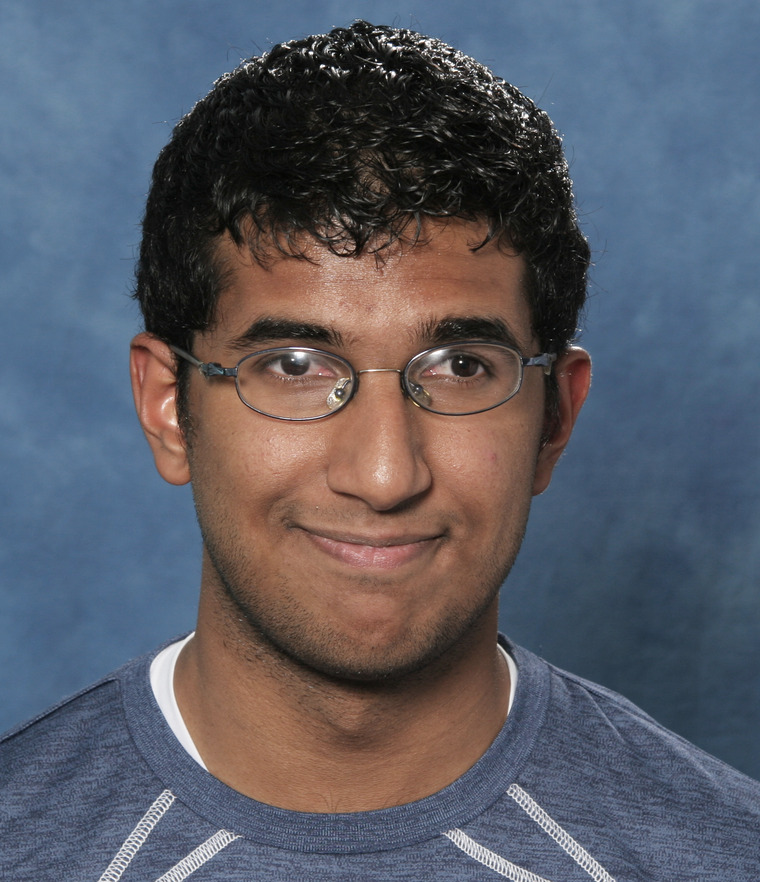
Muneeb Ahmed is a University of Arizona Junior majoring in Computer Engineering. He works with Timothy Swindle from the Lunar and Planetary Laboratory on “Space Rocks in the Desert: Watching the Sky Over Southern Arizona for Meteorite-dropping Fireballs.”

Nikitha Ramohalli

Nikitha Ramohalli

Graduate Research Fellows
Image
Ramohalli, Nikitha
Year
2017

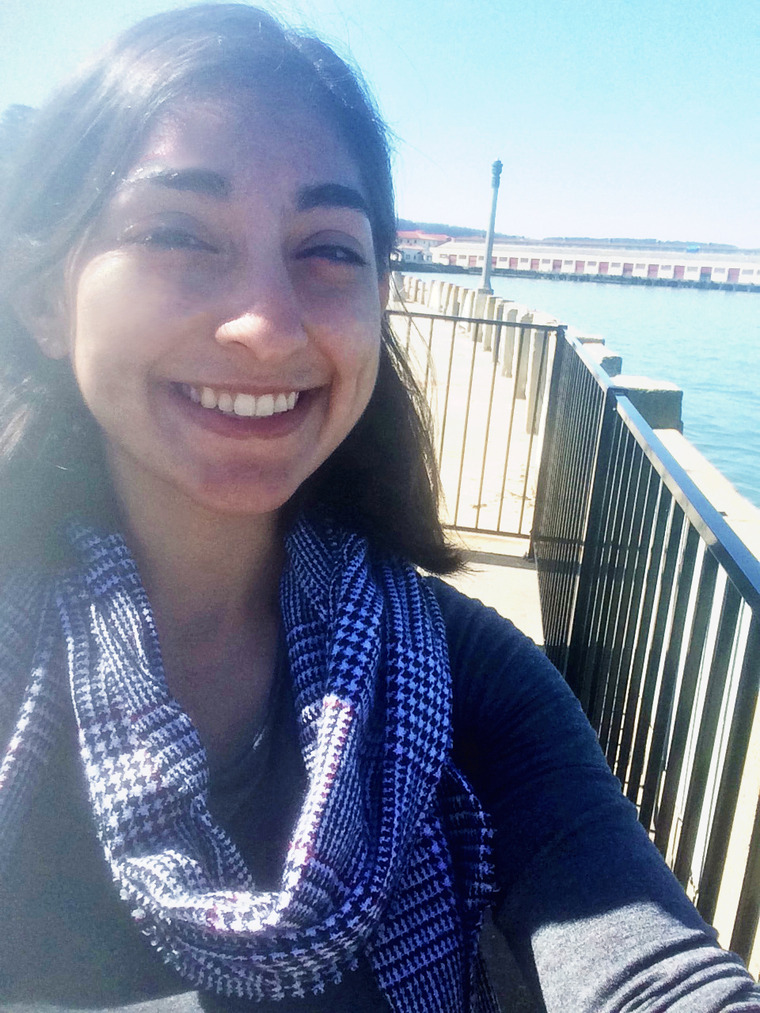
I am a first year Master's student and aspiring inventor in the Electrical and Computer Engineering department. Currently, I am researching modular electronics and easily configurable hardware for rapid prototyping and user-customization of consumer electronics. Using principles of both analog design and computer architecture, I have been working on using development platforms to incorporate rapid prototyping in STEM education, especially for K-12 students and beyond. 

The goal of this project is to design and create an easily implementable emulation of a hackerspace in the classroom, by taking advantage of existing open-source embedded systems and easily accessible materials. This design will be accompanied by a proposed lesson plan with hands-on projects that progressively and gradually increase in difficulty. I will study the impacts of these projects on the students’ learning outcomes. Based on the results, and my background in printed circuit board (PCB) design, I will develop insights on what functions and aspects of different development systems are best for fostering innovation among students in STEM education. In addition, I will leverage the emerging Internet of Things technology to provide a strong motivation for students’ involvement in computer engineering and embedded systems design.

Molly Simon

Molly Simon

Graduate Research Fellows
Image
Molly Simon
Year
2017

I am a 5th year PhD student in the Department of Planetary Sciences (Lunar and Planetary Laboratory). My research interests have always revolved around planet formation, both from a scientific and an educational standpoint. Fortunately, the Planetary Sciences department has allowed me to pursue a “hybrid” dissertation project, where I am able to contribute to the field of planet formation by conducting both science and education research. My current research project is a two-phased, mixed-methods study aimed to analyze college students’ preinstructional ideas about planet formation. For the first phase of the study, I used short answer questions covering a variety of topics pertaining to planet formation (planetary composition, gravity, basic definitions, and planetary motion) to investigate the range and prevalence of students’ ideas, prior to instruction, about these topics. Coding these responses for common themes, categories, and misconceptions aided in the development of the first version of the Planet Formation Concept Inventory (PFCI). A concept inventory is a multiple-choice instrument focused on a specific topic and it is based upon known student misconceptions in addition to instructors’ goals for teaching the material. Concept inventories are extremely useful for assessing students’ pre and post-instructional understanding of a certain topic. In this next year, I will continue to develop and validate the PFCI using feedback from upwards of 1,000 ASTRO 101 students, in additional to performing a statistical analysis of the instrument. The final version of this instrument will allow instructors to evaluate students’ understanding of planet formation before and after instruction. More importantly, instructors will be able to evaluate the efficacy of new pedagogy developed on this topic.


Matthew Kirby

Matthew Kirby

Graduate Research Fellows
Image
Kirby, Matthew
Year
2017

I am a 5th year PhD student in the Department of Physics. The Pima Air and Space museum has a gallery devoted to space exploration and research. The gallery has become quite outdated and presents the gallery content in a very terse manner. This year, I will be working with the gallery’s curators to revitalize many of the exhibits in the Space Gallery. We will be building new exhibits to show off recent, space-based missions with exciting results such as Curiosity, LCROSS, the Hubble Space Telescope or Cassini. I will also be rewriting much of the existing content in the exhibit as well to make it more accessible to the many thousands of visitors to the gallery each year.

Emily Finan

Emily Finan

Graduate Research Fellows
Image
Finan, Emily
Year
2017

As a graduate student in the PhD program at the College of Optical Sciences, my research focuses on the design, implementation, and testing of optical systems in order to engineer solutions to real-world problems.  Optical Sciences plays a role in many of the emerging technologies transforming our society, and optics will continue to be a topic of interest for future STEM students.  My involvement with outreach activities through Women in Optics (WiO), Student Optics Chapter (SOCk), Women in Science and Engineering (WISE), and the Center for Integrated Access Networks (CIAN) has been in the hopes of inspiring these future innovators.  This NASA Space Grant project will build on these outreach activities to develop an online hub in order to centralize the outreach efforts for the students of the College of Optical Sciences.  The website will provide training for students new to leading demonstrations, emphasize scientific literacy and effective scientific communication, and serve as an accessible resource for STEM classrooms.

Aaron Benedek

Aaron Benedek

Undergraduate Research Interns
Year
1993

Aaron Benedek graduated 5/98 with a COE as a UA student.

Maria Banks

Maria Banks

Undergraduate Research Interns
Year
1993

Maria E Banks graduated 5/95 with a BMU as a UA student.

Byron Alvarado

Byron Alvarado

Undergraduate Research Interns
Year
1993

Byron P Alvarado graduated 5/96 with a BS MEE as a UA student.