Aidan DeBrae

Aidan DeBrae

Undergraduate Research Interns
Image
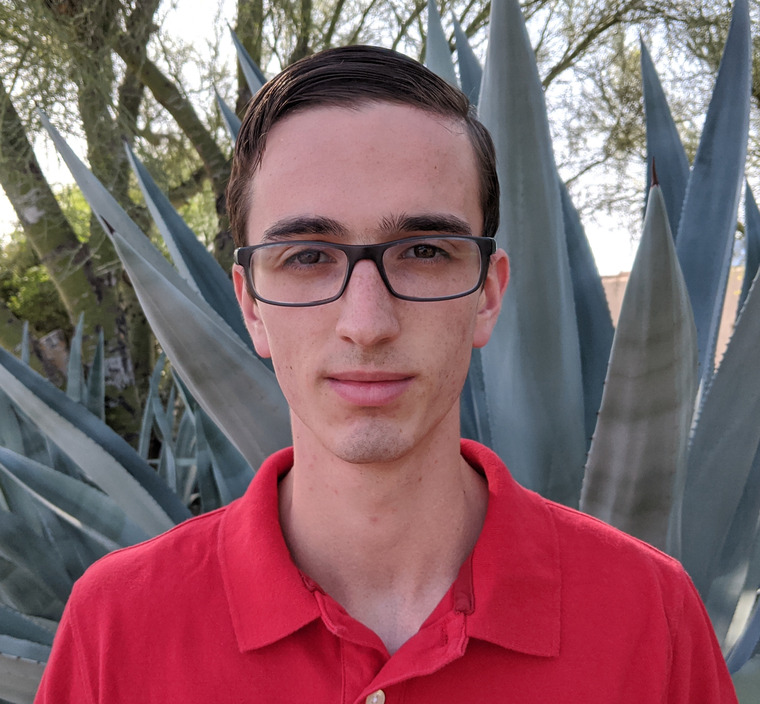
Portrait of Aidan DeBrae
Year
2020

Aidan DeBrae is a University of Arizona Junior majoring in Physics and Astronomy. He works with Peter Behroozi from the Astronomy Department on "Influence of Andromeda on the Dark Matter Velocity Distribution of the Milky Way".

Liam David

Liam David

Undergraduate Research Interns
Image
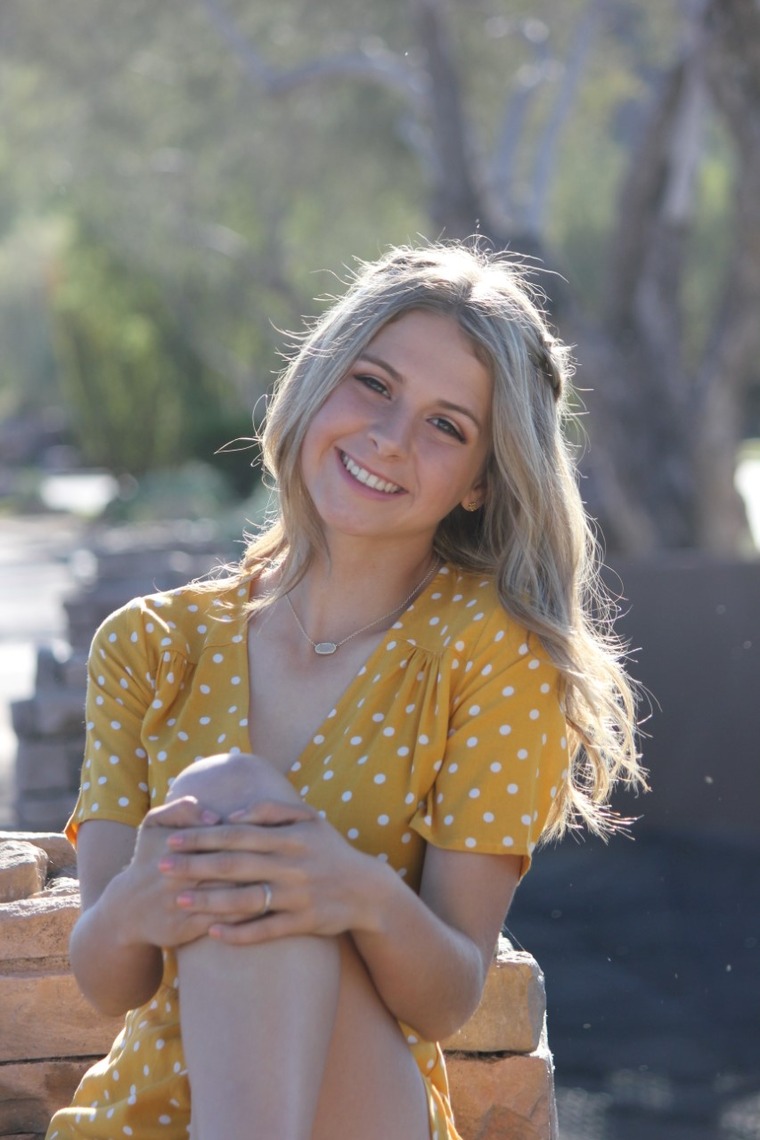
Portrait of Liam David
Year
2020

Liam David is a University of Arizona Junior majoring in Physics, Astronomy, and Mathematics. He works with Federico Fraschetti from the Lunar & Planetary Laboratory on "Fraction of total energy of shock waves channeled into energetic ions at interplanetary shocks".

Morgan Cryder

Morgan Cryder

Undergraduate Research Interns
Image
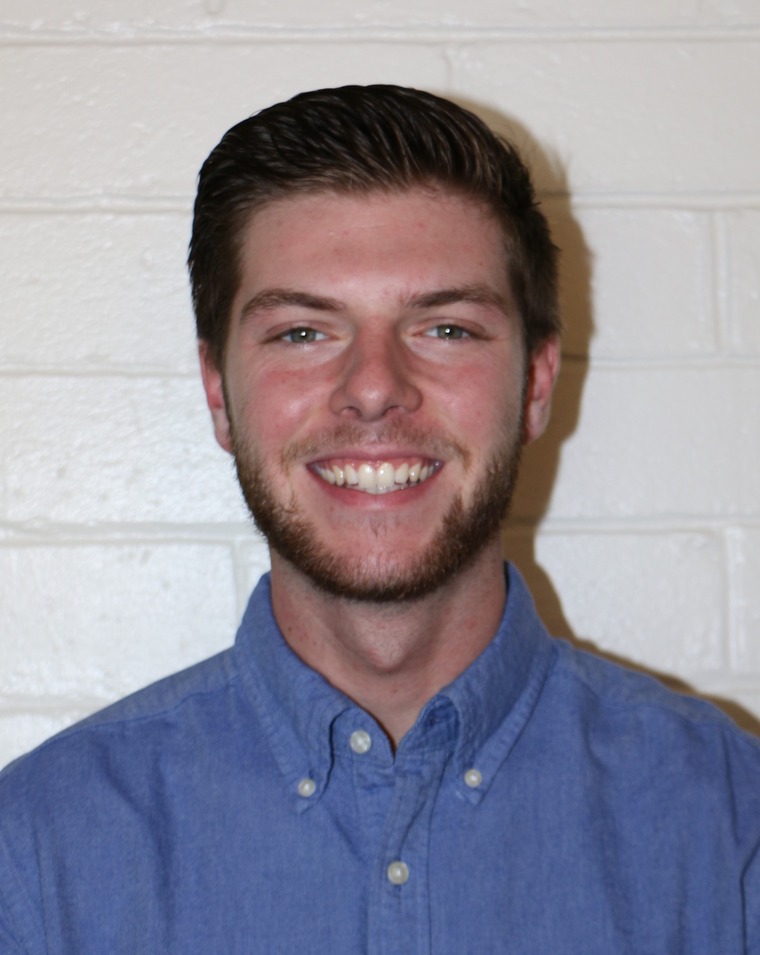
Portrait of Morgan Cryder
Year
2020

Morgan Cryder is a University of Arizona Sophomore majoring in Geoscience. She works with Jeffrey Andrews-Hanna from the Lunar & Planetary Laboratory on "Martian tectonics".

Terese Cruz

Terese Cruz

Undergraduate Research Interns
Image
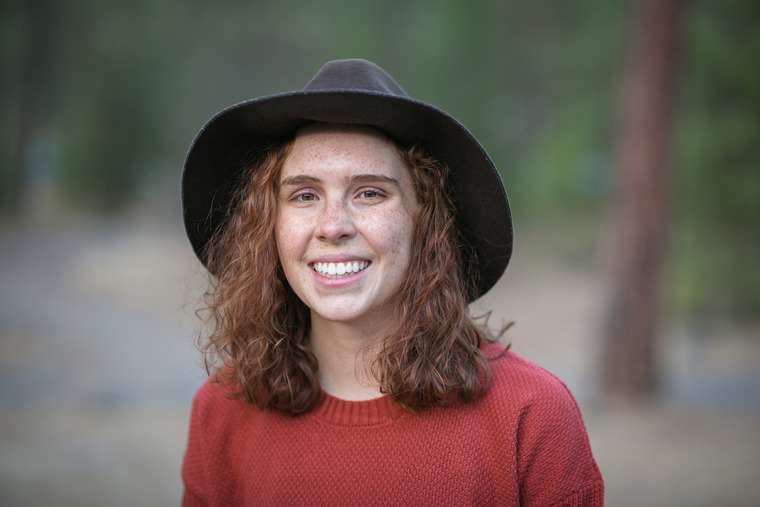
Portrait of Terese Cruz
Year
2020

Terese Cruz is a University of Arizona Sophomore majoring in Biosystems Engineering. She works with Katharine Gerst and Kathleen Prudic from the USA National Phenology Network & SNRE on "Data synthesis and prediction of the timing of pollinator activity".

Joshua Crest

Joshua Crest

Undergraduate Research Interns
Image
Portrait of Joshua Crest
Year
2020

Joshua Crest is a University of Arizona Senior majoring in Mechanical Engineering. He works with Jekan Thanga from the Aerospace & Mechanical Engineering Department and SpaceTREx on "Mars/Venus Aerobot and Solar Balloon Projects".

Alek Cotnoir

Alek Cotnoir

Undergraduate Research Interns
Image
Portrait of Alek Cotnoir
Year
2020

Alek Cotnoir is a University of Arizona Junior majoring in Aerospace Engineering. He works with Jesse Little from the Aerospace & Mechanical Engineering Department on "Wing sweep, structural motion and their effect on separation and transition".

Brooke Carruthers

Brooke Carruthers

Undergraduate Research Interns
Image
Portrait of Brooke Carruthers
Year
2020

Brooke Carruthers is a University of Arizona Sophomore majoring in Molecular and Cellular Biology. She works with Betul Kacar from the MCB & Astronomy Departments on "Evolution of Nitrogen Fixation on Ancient Earth".

Isabella Bryant

Isabella Bryant

Undergraduate Research Interns
Image
Portrait of Isabella Bryant
Year
2020

Isabella Bryant is a University of Arizona Junior majoring in Mathematics. She works with Lon Hood from the Lunar & Planetary Laboratory on "Mapping of Crustal Magnetic Fields on the Moon and Mercury".

Harrison Bradley

Harrison Bradley

Undergraduate Research Interns
Image
Portrait of Bradley Harrison
Year
2020

Harrison Bradley is a University of Arizona Junior majoring in Astronomy. He works with Yancy Shirley from the Astronomy Department on "The Evolutionary State of Droplets".

Matthew Katterman

Matthew Katterman

Graduate Research Fellows
Year
2020

I am a fourth-year Ph.D. student in the Department of Biosystems Engineering. In previous years, I attended the University of Arizona and received a BS in Chemistry in 1997 and an MS in Agricultural and Biosystems Engineering in 2004. During the last few years, I have been involved with the SBAR (Sustainable Bioeconomy for Arid Regions) Education and Outreach program at the University of Arizona. From 2017-2020, I assisted in organizing a biofuels camp and served a fellowship teaching middle school students the concepts of biofuels and farming as applied with the crops of guayule and guar. My Ph.D. research involves the irrigation management of guayule here in Arizona. In this capacity, I help apply the use of field sensors to monitor soil moisture content and water stress in the plants as well as apply an irrigation computer modeling approach called WINDS.

My NASA Education and Outreach project involves working with middle school-aged students from a local school in Tucson. There, I will be teaching them the concepts related to the Environmental Control and Life Support Systems (ECLSS) modules that are a part of the International Space Station (ISS). Much of the education efforts will be centered around science concepts that are a part of how the Life Support Systems operate in space. The education projects also take an approach of relating these science principles to real-world situations on Earth. For example, the science concepts of humidity control on the space station can also be applied towards preserving museum artifacts or preventing electrostatic discharge to electronic devices.

[Update] View Matthew's curriculum materials here: https://github.com/mkatterman/NASA-Life-Support-Systems-Lessons---Valen…