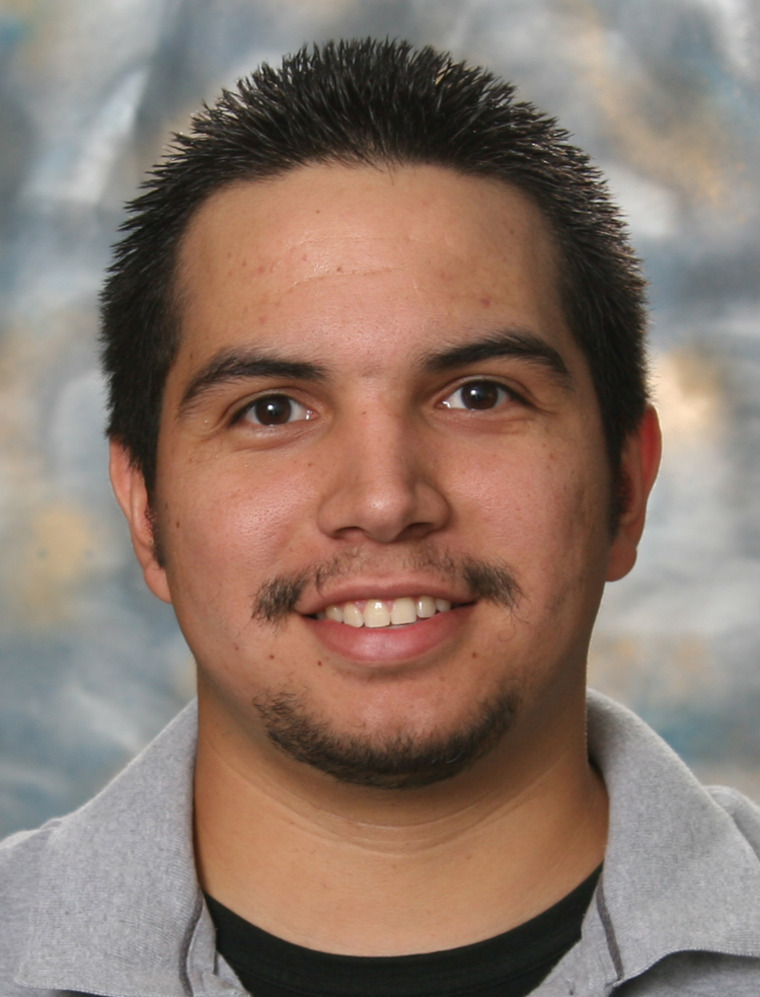
Kyle Withers

Kyle Withers

Undergraduate Intern Advisors
Image
Withers, Kyle
Year
2009

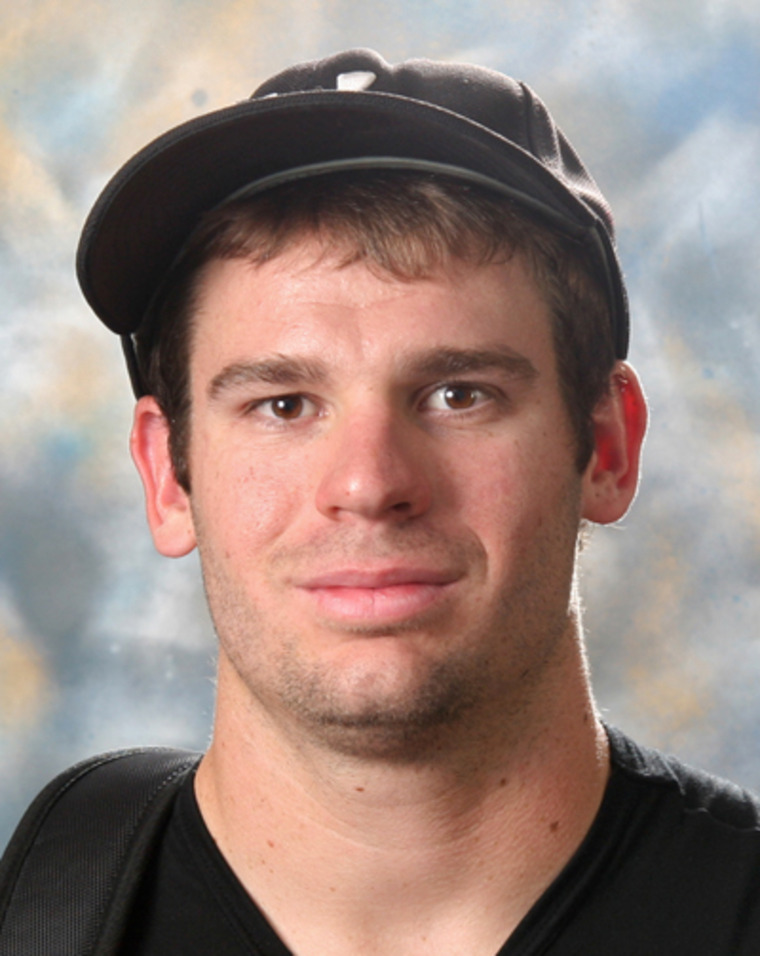
Kyle Withers is a University of Arizona Junior majoring in Physics and Math. He works with James Callegary from US Geological Survey conducting research on "Hydrologic Characterization of the Willcox and Douglas Basins."

Email Kyle: quantumk AT email DOT arizona DOT edu

Daniel Sanchez

Daniel Sanchez

Undergraduate Intern Advisors
Image
Sanchez, Daniel
Year
2010

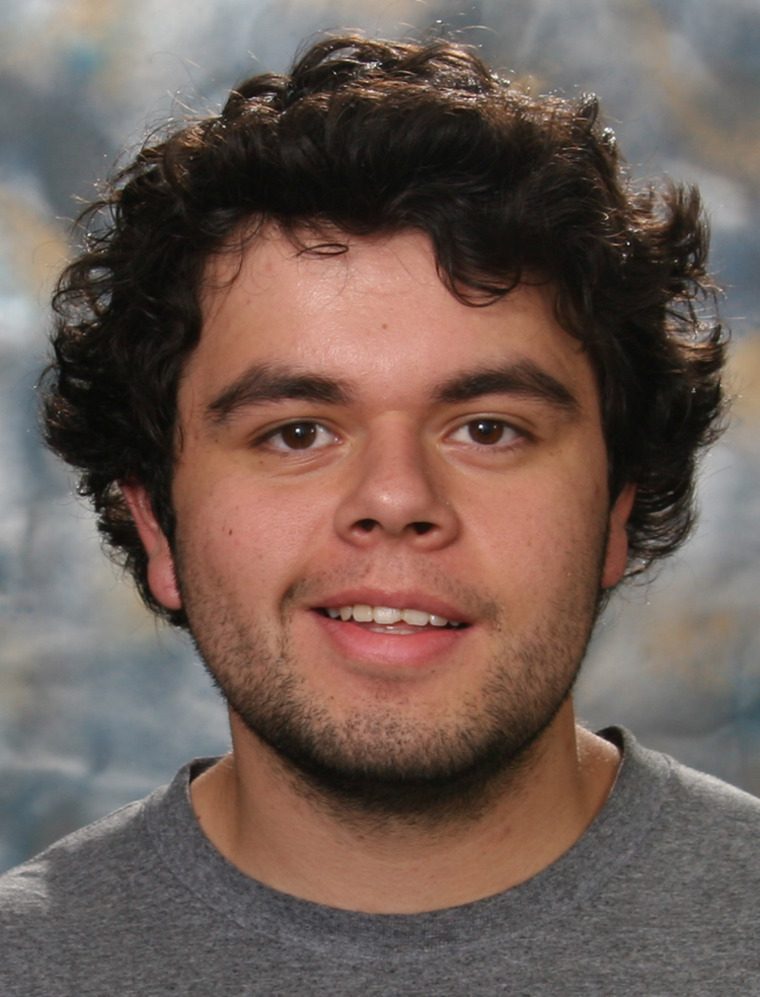
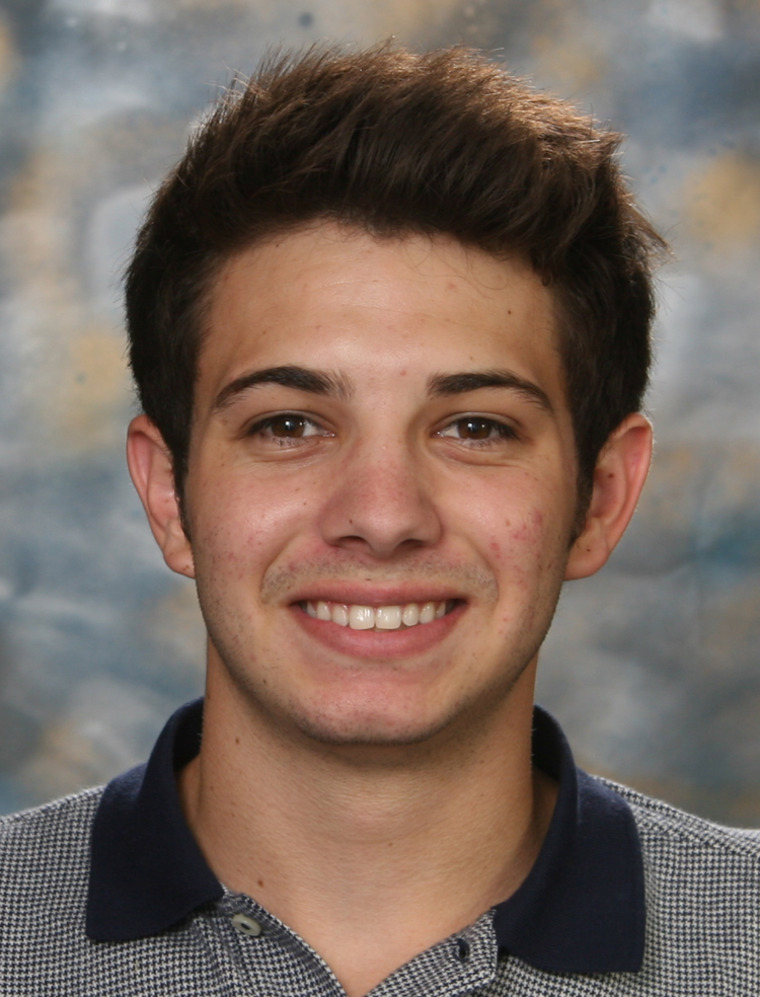
Daniel Sanchez is a University of Arizona student majoring in Chemistry. He works with Steve Kukolich from Chemistry conducting research on "Microwave Spectroscopy and Molecular Structure."

Kyle Rine

Kyle Rine

Undergraduate Intern Advisors
Image
Rine, Kyle
Year
2010

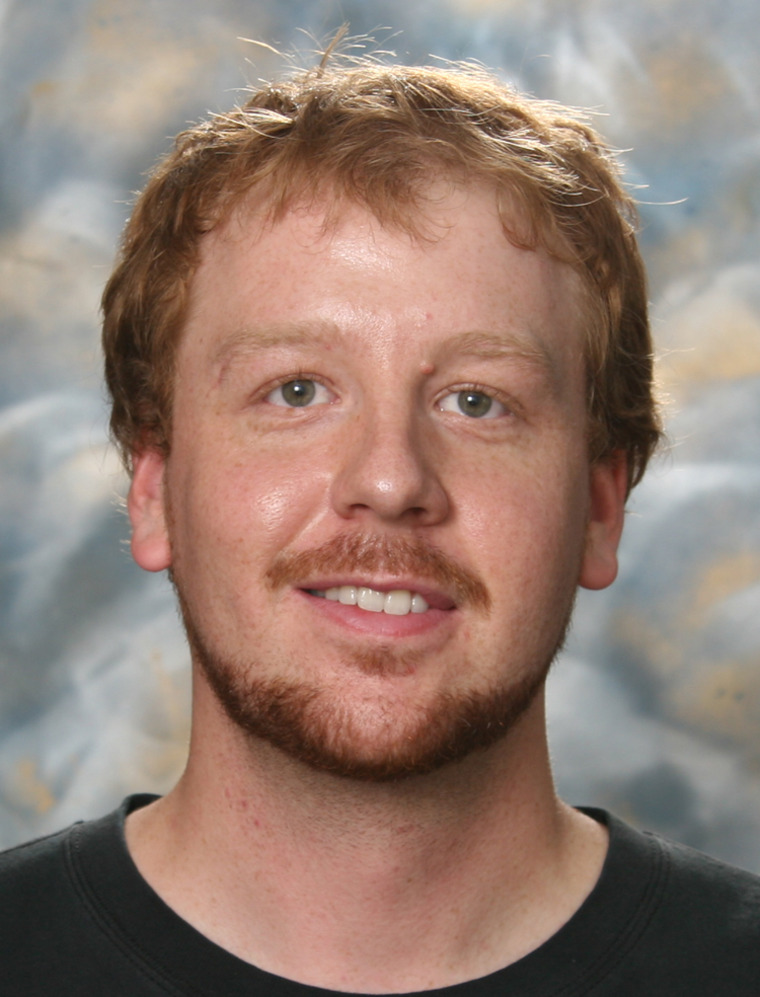
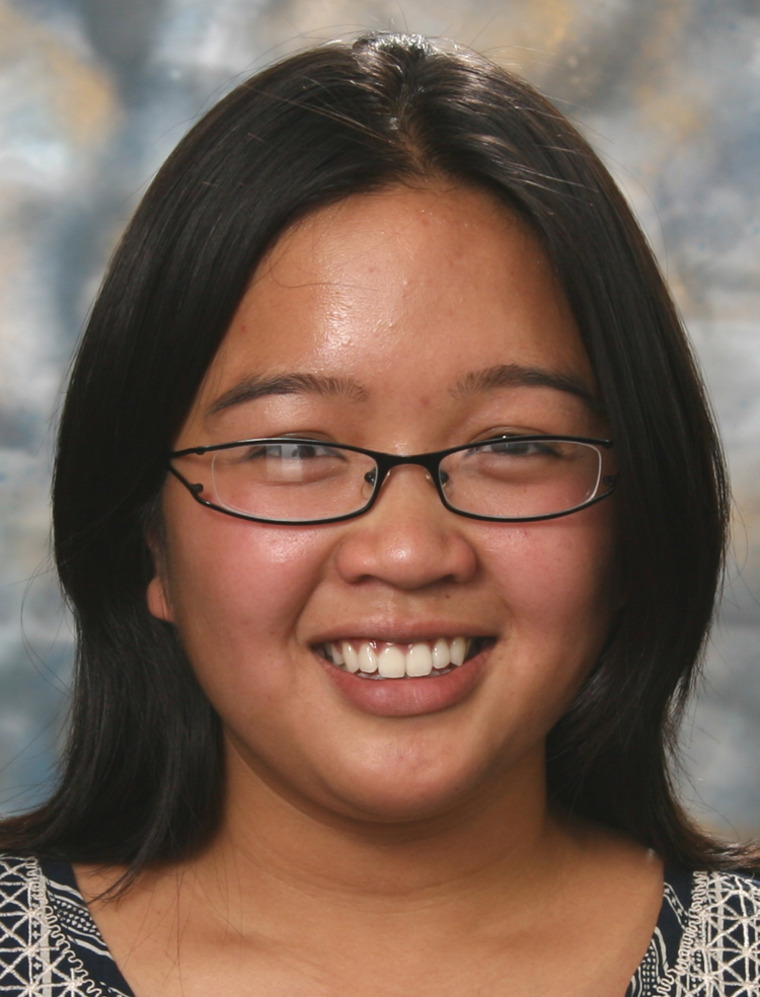
Kyle Rine is a University of Arizona student majoring in Physics. He works with Eric Betterton from Atmospheric Sciences conducting research on "Characterization of Mine Tailings Dust."

Luis Huizar

Luis Huizar

Undergraduate Intern Advisors
Image
Huizar, Luis
Year
2010

Luis Huizar is a University of Arizona student majoring in Chemistry. He works with Kevin Lansey from Civil Engineering conducting research on "Impact of Climatic Variability on Sustainability of the Upper San Pedro River."

Kenneth Geshell

Kenneth Geshell

Undergraduate Intern Advisors
Image
Geshell, Kenneth
Year
2010

Kenneth Geshell is a University of Arizona student majoring in Biosystems Engineering. He works with Jeong-Yeol Yoon from Biosystems Engineering conducting research on "Real-time, portable biosensor for E. coli."

Karla Montemayor

Karla Montemayor

Undergraduate Intern Advisors
Image
Montemayor, Karla
Year
2010

Karla Montemayor is a University of Arizona student majoring in Chemical Engineering, Mathematics. She works with Wendell Ela from Chemical & Environmental Engineering conducting research on "Desalination by Looped Ion Exchange and Reverse Osmosis."

Kristin Wisneski

Kristin Wisneski

Graduate Research Fellows
Image
Wisneski, Kristin
Year
2009
2010

Kristin Wisneski, co-sponsored by Arid Lands Research.

In 2007 I began working at the Office of Arid Lands Studies with the NASA Arizona Geospatial Extension program. Addressing the needs of nonformal education youth programs through Youth-Driven Community Asset Mapping has been the primary focus of our efforts in engaging youth with their communities and the environment. This experience has brought me into 4 different youth programs over the course of the past two years, all with different agendas and interests, to use geospatial tools for data collection, problem solving, decision-making and science-based knowledge and skills learning. For the NASA Space Grant Fellowship I am developing informal education materials to implement these skills and tools. Informal implies that the learning experience is not expert-led, but rather is voluntary and self-directed, and as it turns out over 70% of learning falls in this category. The materials will be developed and tested using participatory methods that engage the youth groups we currently work with through the Geospatial Extension program. Starting in January, the testing and refinement of the materials will continue through their use in the multi-disciplinary project called Stealth Health, led by five departments across the University of Arizona. Stealth Health aims to develop and test a novel approach integrating communication and location-based technologies with informal education for promotion of healthy behaviors aimed at decreasing the incidence of adolescent obesity. The intervention will take place in on-going after-school and weekend programs that use Youth-Driven Community Asset Mapping to empower and engage the youth. Lastly these informal education materials will be disseminated through an online portal calledMap@Syst on the eXtension.org website in hopes to impact a broader audience.

Deanna Lewis

Deanna Lewis

Graduate Research Fellows
Image
Lewis, Deanna
Year
2009
2010

Deanna Lewis, co-sponsored by the College of Physics

Somewhere in between my current occupation as a physician assistant and status as an executive MBA student at the Eller College of Management was an invitation to work as a temporary research assistant in the department of physics: I took it. I soon found myself immersed in the world of Photovoltaics (PV). The immersion was swift, intriguing and a new world full of potential. The local enthusiasm and passion that abounds in the field of Photovoltaics produces at least one gigawatt of energy! To date I have had the privilege of working with Dr. Alex Cronin in the Department of Physics, and have been introduced to the research and innovations that are taking place at: the AZ Research Institute for Solar Energy (AzRISE), the Biosphere 2 Institute (B2I), the College of Architecture and Landscape Architecture (CALA) and the Tucson Electric Power Company (TEP). Within these collaborative partnerships I have found a niche in PV outreach and education. The program I've designed is called Science for Society.

Science for Society is a photovoltaic outreach and education field project designed to promote universal access to PV technology:

  • Promoting PV research and education through intergenerational learning
  • Increasing the PV workforce through professional development
  • Enhancing the visibility/profile of the TEP solar test yard
  • Distributing PV data acquired at the TEP Solar Test Yard

An interdisciplinary team composed of individuals from educational institutions, community organizations and industry businesses will facilitate an increase in public awareness for PV technologies, teach people how to best utilize PV technology and stimulate interest in the sciences through educational enrichment programs, fieldtrips, and experiential learning presentations/workshops. By leveraging the expertise of our strategic partnerships, the PV outreach and education field project will promote longevity and utility by creating a sustainable and replicable program through curriculum implementation, docent program development as well as establishing the TEP Solar Test yard as user-friendly site for students, homeowners, researchers, businesses and special interest groups.

The educational outreach component of this project is off to a running start. Over the summer I have been working with TUSD and the Inner Connection/Green Schools to implement a pilot PV curriculum for high school students. On August 19th, 2009, 14 students were enrolled in our Solar Technology class. The 9-week program is now offered at TUSD's Project M.O.R.E. located at 44o S. Park. The students are offered science credit for this introductory course and the district is currently in the process of assigning an official course code which will allow any of the TUSD high schools to offer the course. Our projections for year one is to offer the course in one school (done), year two-two schools, year three-four schools and year five-ten schools. We are also working on a phase-two which is a more advanced PV course geared towards installation. The goals of the curriculum implementation are to engage and educate high school aged students in the sciences utilizing a PV curriculum that prepares them to either enter the PV field directly and/or to pursue higher education in the sciences, facilitating a sustainable economy and viable workforce through renewable energy training and education. In October 2009 we will be meeting with a local solar energy company interested in underwriting the program for a three year period.
Lewis, Deanna

A collaborative field project with the U of A College of Architecture and Landscape Architecture (CALA), the Drachman Institute, and Imago Dei Middle School will enhance the TEP solar test yard in becoming a premier educational and solar test site. Improvement of the solar test yard site through regular maintenance, modifications and physical upgrades will allow the site to become more user friendly and facilitate an environment conducive to world-class research and learning thus increasing the utilization of the TEP Solar Test Yard via tours, workshops, demonstrations and hands-on activities. This integrative approach is designed to support the work of the U of A Department of Physics, AzRISE, B2I, and TEP. The students from CALA/Drachman Institute and the Imago Dei Middle School will embark on a joint venture to enhance the current layout and design of the TEP Solar Test yard. A "face-lift" of the TEP Solar Test yard with additional features will provide the public with an additional community solar resource center and increase the utility of the site. September 9th, 2009 was our official tour start date for solar test yard. The tours are offered weekly on Tuesdays from 9am -10am, RSVP is required.

This intergenerational field project will provide applied design concepts to enhance and increase the utility of the TEP Solar Test yard for students, researchers, homeowners and businesses. Further more it will support the initiatives of AzRISE, the U of A, TEP and B2I by increasing the status and visibility of the TEP solar test yard, elevating it to a more visible community solar resource test site with exceptional lab facilities for research and field projects, add a hands-on training facility for AzRISE's super courses, serve as regional and national training site for PV installation instruction as well as become the designated site for a PV Outreach and Education Docent Program through the U of A Department of Physics.

As coordinator for the PV Outreach and Education program my role is that of a facilitator: professional relationships between researchers, teachers, business owners and students are being developed to create and expand opportunities for professional development and intergenerational learning as well as promoting the utility and longevity of a solar technology infrastructure.

Fall 2010 Update

The past year has been an exceptional time for the growth and development of Science for Society. Having identified an additional opportunity for growth I am currently working with members of the community to develop an apprenticeship program for those interested in gaining valuable experience in PV installation as well as fostering the professional development for a qualified workforce in solar installation.


Lesley Leary

Lesley Leary

Graduate Research Fellows
Image
Leary, Lesley
Year
2009
2010

Lesley Leary, co-sponsored by the Department of Atmospheric Sciences

I have always had an interest in science, but thinking of a proposal for the NASA Space Grant made me think of when I first truly became interested in becoming a scientist. It was when I was in 7th grade and we had a hands-on stream study where we were responsible for catching and recording the different wildlife in the stream. Now that the area of science I study has become narrower I thought it would be a great idea to expose young adults to atmospheric science and make available a lot of fun activities where a passion for science could grow.

Big Weather is a program that spans over a few months and includes modules on different atmospheric science concepts including: clouds, precipitation, winds, solar energy, and extreme weather events. Each of the modules will contain a number of hands-on experiments highlighting the concepts, a NASA satellite session, weather related arts and crafts, plus building gadgets for a personal at home weather station.

Lesley Leary Fellowship WorkBig Weather works specifically with young adults through the Big Brothers Big Sisters program. These at risk youths are typically from broken homes, have behavioral or learning problems, or a general lack of respect for authority. Through this program education is provided in a fun and non-threatening environment where bonds between youths and adults can flourish and an interest in a new hobby can grow.

The first module, Big Weather: Clouds, has already commenced with great success! Big Brother Big Sister of Tucson is so excited about the event their featuring it in their monthly newsletter and advertising future Big Weather events. The Littles had a great time with the experiments and activities, especially making their own cloud in a bottle to take home. One Little who had recently finished a weather segment in school even mention, "we learned more today about clouds than we did in school last week!" Comments from the Bigs ranged from, "I never knew that," to "this was very well organized, but it didn't feel like school."

Allison Wilhelm

Allison Wilhelm

Graduate Research Fellows
Image
Wilhelm, Allison
Year
2008

Allison Wilhelm, co-sponsored by the Material Science and Engineering

More than half of the 20th century’s top 20 engineering achievements that made the greatest impact on quality of life relied on the incredible properties and fabrication methods of glass. Glass research has become a significant part of many fields of study with numerous applications in fields such as space research and biotechnology. NASA specifically has used various glasses in a number of applications including REAI glass for optical components, bulk metallic glasses on the Genesis spacecraft for collection of solar wind particles, and infrared glasses for use in the Terrestrial Planet Finder Mission. However, despite its current importance and widespread application glass science is not a common topic of study addressed in middle or high school classes.

My educational outreach project addresses this challenge through the development of two classes containing hands-on experiments and associated educational materials on the use and importance of glass and optics in space research. The classes are geared toward middle school students typically underrepresented in science and engineering, and are followed by an after school observing activity. The first class gives an overview of what glass is, the properties of glasses, and a description of the various applications of glass in NASA space research. This class includes a hands-on experiment showcasing how glass is made through the creation of edible candy glass. The synthesis of conventional glasses requires extensive time and extreme temperatures. However, through the synthesis of candy glass, students can gain a safe level of “hands-on” knowledge of glass. The second class focuses on optics, and discusses the properties of different glass shapes and various optical devices used in NASA space research. This class includes a hands-on experiment to create lenses out of gelatin. Students can then learn about and calculate the focal length of their edible lenses. The final element of the project is an after school observing activity allowing students to use a Dobsonian telescope in order to show the use of these materials and principles in action. This series of lessons and experiments is designed to provide middle school students with the opportunity to learn about aspects of space research and glass science, and then apply this knowledge to hands-on experiments that will require critical thinking in a fun and edible way.